Council & Housing Association Tenants:
Claim Compensation & Get Your
Repairs Completed
Start your housing disrepair claim today with our trusted solicitors.
- No Win, No Fee Agreement
- 2,000+ Five Star Reviews
- SRA-Regulated Solicitors
- 96% Of Clients Recommend
£100,000,000+
In compensation won for our clients.
100,000+
Clients helped since 1984.
£15,000,000+
Of repairs completed due to our involvement.
Your Rights
Your landlord has a legal duty to keep your home safe and habitable.
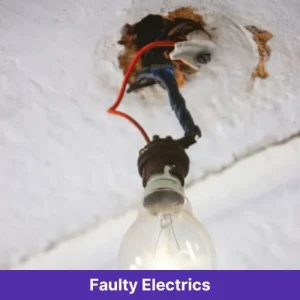
Under section 11 of the Landlord and Tenant Act 1985, they must repair the structure and exterior of your property and maintain key installations like heating, water, gas and electrics.
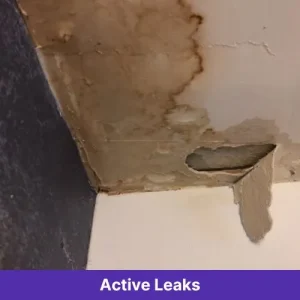
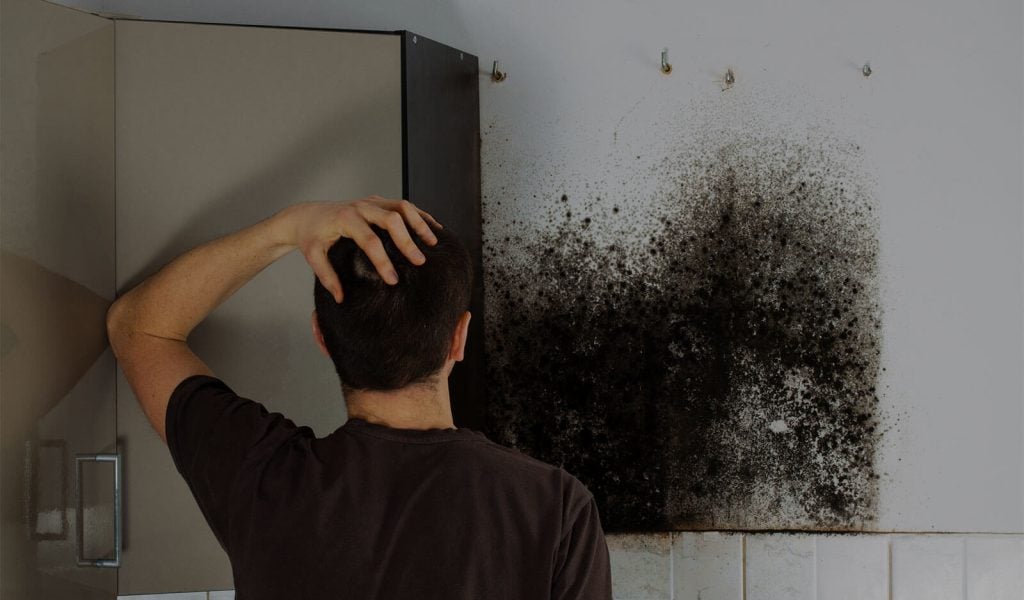
The Homes (Fitness for Human Habitation) Act 2018 also requires your home to be fit to live in. That includes issues like damp and mould, leaks, and other issues that can affect your health and daily life.
If you’ve reported repairs to your landlord and they aren’t resolved within a reasonable timeframe, you may be able to make a housing disrepair claim.
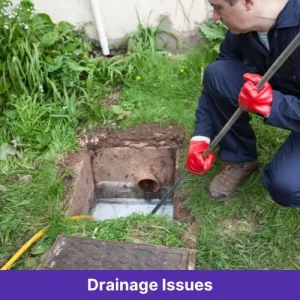
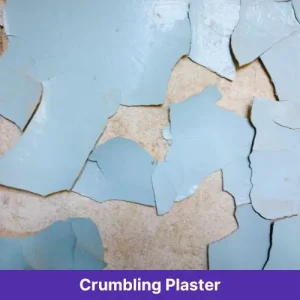
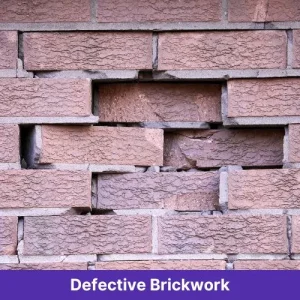
You Can Claim For...




Are You Eligible?
- Do you rent from a council or housing association?
- Have you informed them of the issues?
- Are the repairs still outstanding?
Answered yes to all of the above?
If so, you are eligible to make a housing disrepair claim.
See What Others Think
Helping tenants since 1984, that's why 96% of clients recommend us!
These Solicitors are the best. They were able to get my landlord to fix the damp and moulds in my house within 3weeks after more than a year of complaining to my landlord to fix it without any headway. I didn't pay a dime. I am soo grateful to them.
Wished I had come across them years ago! A battle with the council, which I had thought I'd lost all hope in, turned into a positive outcome thanks to their expertise, support and guidance. I had a very pleasant experience with all the staff. Laura was amazing and always listened to my views and acted on them. She was professional, understanding and supportive throughout. I would highly recommend this law firm to anyone who needs help navigating a difficult situation with the council.
Hodari Solicitors handled my case with incredible empathy, professionalism, and care. They took the time to truly listen, provided realistic and transparent advice, and fought hard for the best possible outcome.
How It Works
1. Complete Our Form
Fill in your details on our form. This helps us confirm you’re eligible and allows us to understand your situation before we contact you.
2. Evidence Gathering
We’ll ask you to share any evidence you have. This is usually photos/videos of the disrepair and messages you’ve sent to your landlord (notifying them of the issues).
3. Agent Inspection
One of our independent agents may visit to assess the disrepair properly and record what repairs are needed. They’ll usually note the severity of the issues, potential causes, and whether it’s impacting health or living conditions.
4. Letter of Claim Sent
Your appointed solicitor sends a formal Letter of Claim to your landlord setting out the problems, the history of reporting, and what you’re seeking (repairs and compensation). This starts the legal process and gives your landlord an opportunity to respond.
5. Repairs & Compensation
Once liability is accepted, your landlord will be pushed to complete the repairs within an agreed timeframe. At the same time, we will negotiate the maximum compensation available for you.
No Win, No Fee, No Worry!
No upfront fees.
£
0
- Nothing to pay upfront
- Only pay if your claim succeeds
- We only succeed when you do
Frequently Asked Questions
Your questions, answered.
How do I know if I'm eligible to claim?
If you are a Council or Housing Association tenant and are experiencing any of the disrepair issues mentioned above, and have already reported the issues to your landlord, you may be eligible to make a housing disrepair claim.
Do I need to report repairs to my landlord before I can claim?
Yes, your landlord needs to be told about the problem (and given a reasonable chance to fix it) before you can take formal action. This is why it’s important to report repairs and keep proof of when you did.
Do I need to pay anything upfront?
No, all of the housing disrepair claims we handle are on a no win, no fee basis. This means you won’t have to pay anything upfront.
What is a no win, no fee agreement?
What Is It?
A “no win, no fee” arrangement is a label often used for a Conditional Fee Agreement (CFA). It is designed to help people pursue a claim without paying upfront legal fees, making legal action more affordable and reducing financial risk if the claim does not succeed.
If You Win:
1. Basic Legal Costs
If your claim succeeds, we will usually seek to recover our basic legal costs and certain expenses from your landlord.
2. Success Fee
Under a Conditional Fee Agreement, a success fee is an additional fee payable if you win. We will explain exactly how it is calculated, whether VAT applies, and what (if anything) would be deducted from your compensation before you sign.
3. After The Event Insurance (ATE)
After The Event Insurance is often used alongside “no win, no fee” agreements to protect you from certain costs if the claim fails (see below). There is no upfront payment for ATE. If you win, the premium is deducted from your compensation.
If You Lose:
1. No Basic Legal Fees
If your claim doesn’t succeed, you won’t pay our basic legal fees, as long as you:
- cooperate fully with the legal process; and
- provide honest and accurate information.
2. Other Costs
Even in “no win, no fee” cases, clients can sometimes be asked to pay other costs, such as disbursements (e.g., expert reports) or insurance-related charges, depending on the agreement and what happens during the claim. We will clearly explain any situation where you could be liable for costs, including if the claim is unsuccessful, before you sign.
After The Event Insurance (ATE)
1. What Is It For?
ATE insurance is intended to:
- cover certain expenses incurred during the case; and
- protect you from liability for your landlord’s legal costs if the claim is unsuccessful (subject to the policy terms).
2. Payment Terms
No upfront premium is required.
- if you win: the premium is deducted from your compensation.
- if you lose: you do not pay the premium (subject to the policy terms).
3. Insurers Cover Level & Premiums
- Underwriter: Financial & Legal Insurance Company Limited (FCA/PRA firm reference 202915).
- Indemnity limit: £25,000 (suitable for many housing disrepair cases, subject to policy terms).
Staged Premiums:
- Pre-Issue: £280 + 12% Insurance Premium Tax (IPT) = £313.60
- Post-Issue: £350 + 12% IPT = £392.00
(Exact cover and premiums depend on the policy offered for your case, you will receive full written details.)
When ATE Cover May Not Apply To You (And You Could Be Liable)
ATE policies commonly exclude cover if you, for example:
- withdraw from the claim against legal advice;
- fail to provide required instructions or cooperation; or
- act dishonestly.
In those situations, you may be personally responsible for costs such as:
- disbursements incurred on your behalf; and/or
- our legal costs and your landlord’s legal costs.
Cancelling Your Agreement or Ending The Claim Early
You usually have a cooling-off period (often 14 days). If you choose to stop after the cooling-off period, you may be charged a cancellation/termination fee for work done and/or certain costs already incurred, these can sometimes be substantial. Any termination charges will be explained clearly at the outset and will be reasonable and linked to work actually carried out.
More Information
We will provide further details of:
- the CFA terms (including any success fee and VAT position);
- what deductions (if any) may be taken from compensation; and
- the ATE insurance policy terms, exclusions, and premium,
in writing and before you sign, so you can make an informed decision.
For independent guidance, the Solicitors Regulation Authority (SRA) explains how (here) “no win, no fee” arrangements work and the questions you should ask before agreeing to one.
How long is the claim process?
The claim process can take anywhere from a few weeks to up to 12 months but it could be longer, depending on your landlord. However, we will immediately push your landlord to start repairs as soon as we make initial contact. You can be confident that there will be no delays on our side, we’ll do everything we can to ensure your landlord takes action.
Do I need to use a solicitor to claim?
You may be able to pursue your complaint through the Housing Ombudsman Scheme, which is free to use. However, we would not be able to assist you with that process.
By instructing a solicitor, you benefit from expert advice from the outset. We will assess your claim, advise you on the likely level of compensation and timescales, and handle the entire process on your behalf. Crucially, we are able to take legal action where necessary and enforce any agreement or court order, ensuring your landlord carries out the required repairs.
Whilst the Ombudsman can investigate complaints and make determinations, the process can take a significant amount of time, often many months, particularly where there are delays or backlogs. In addition, although the Ombudsman can make findings and orders, it does not have the same enforcement powers as the court, meaning further action may still be required if the landlord does not comply.
Before referring a matter to the Housing Ombudsman, you are generally required to exhaust your landlord’s internal complaints procedure. Taking early legal advice can often lead to a faster and more effective resolution.
You are also entitled to bring a claim yourself. However, this can be complex and there are potential upfront costs to consider. In most cases, you would need to obtain an independent surveyor’s report to evidence the disrepair, which typically costs in the region of £1,000, together with court fees and the time involved in preparing and managing the claim.
How much compensation can I get?
The amount of compensation you could receive will depend on a number of factors, including the rent you pay, the severity of the issue, how long it has lasted, and how it’s affected your health and well-being.
Do I still need to pay my rent if I'm claiming?
Yes, you should continue to pay your rent in full. If you stop paying, your landlord could make a counterclaim against you for breaching your tenancy agreement.
Do I have to let my landlord in to inspect or do repairs?
Tenants need to allow reasonable access for inspection and works (with reasonable notice, except emergencies). Refusing access can delay repairs and the claim process.
Can I get evicted for making a claim?
No, there are laws that protect tenants from eviction for filing a housing disrepair claim against their landlord.
Can I claim if I've moved out of the property?
No, you must be living in the property throughout the duration of your claim.
Do I have to go to court?
Approximately 95% of our claims are resolved out of court through negotiation. However, if necessary, our experienced solicitors are fully prepared to take your case to court.